

Skip to content
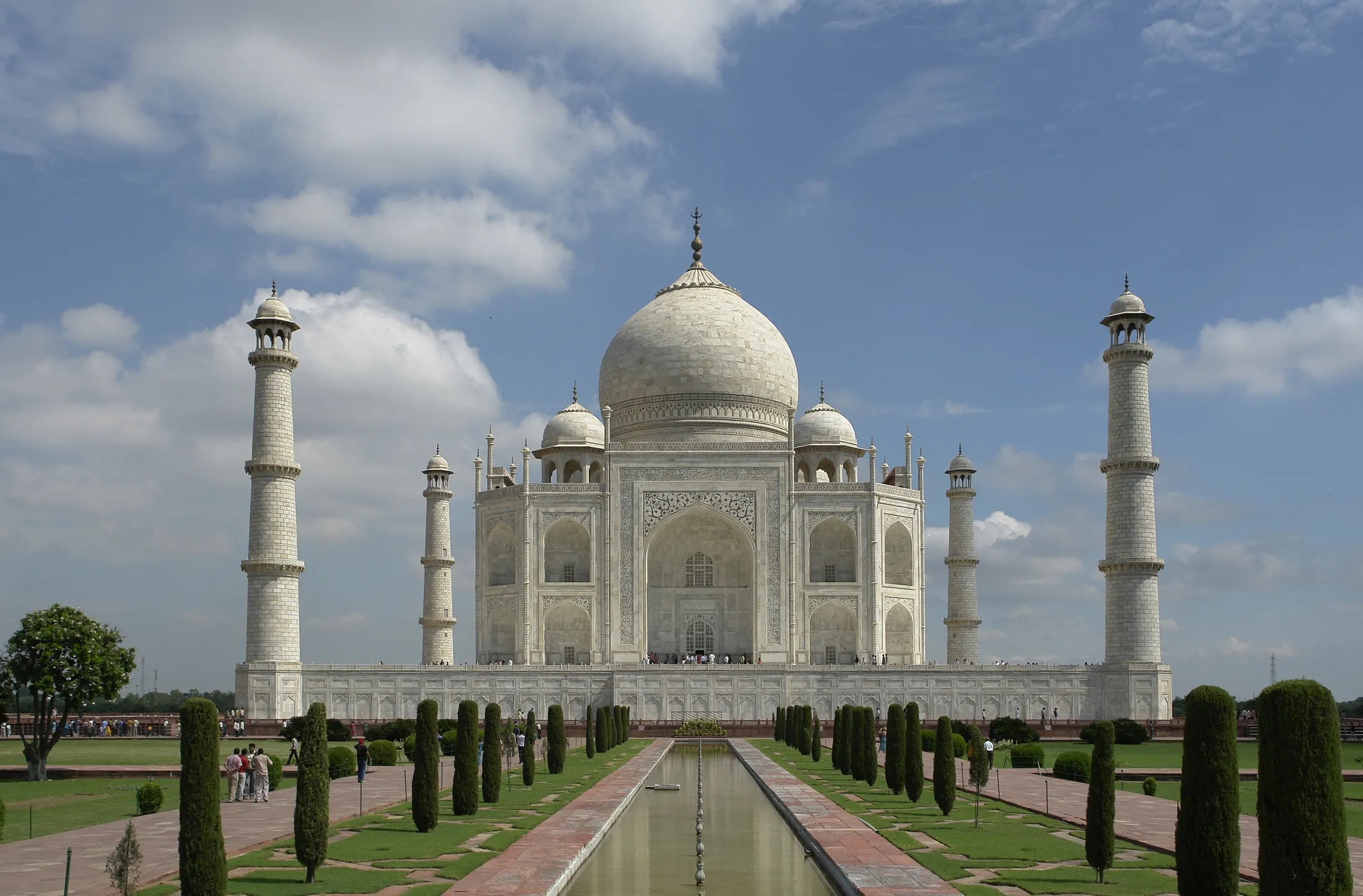
A white marble mausoleum with four minarets seen down a formal garden
All Destinations
Delhi · Agra · JaipurFirst-time India, monuments, history

Golden Triangle

The Mughal capital, the Taj, and the Pink City in one 720-kilometre loop. The first India most visitors see.

Overview

About Golden Triangle

The Golden Triangle is the first India most visitors see, and it earned that position honestly: three cities inside a 720-kilometre loop, holding between them the Mughal capital, the finest building the Mughals put up, and the best-preserved of the Rajput royal cities. Nothing else in the country packs that much into five days of driving.

The route runs Delhi to Agra on the Yamuna Expressway — three hours on a genuinely good road — then Agra to Jaipur in four to five, usually stopping at Fatehpur Sikri or the Abhaneri stepwell on the way, and Jaipur back to Delhi in five. Four nights covers it at a sensible pace; six lets you add Ranthambore for tigers, which is the extension most people wish they had booked.

One planning fact overrides everything else: the Taj Mahal is closed every Friday. It is closed on Friday for prayers and there are no exceptions, and a surprising number of self-planned itineraries land in Agra on a Thursday night for a Friday morning visit. We build every itinerary backwards from that constraint, and we would rather move your whole trip by a day than have you look at it from outside the gate.

Trip Highlights at a Glance

The Taj Mahal at sunrise
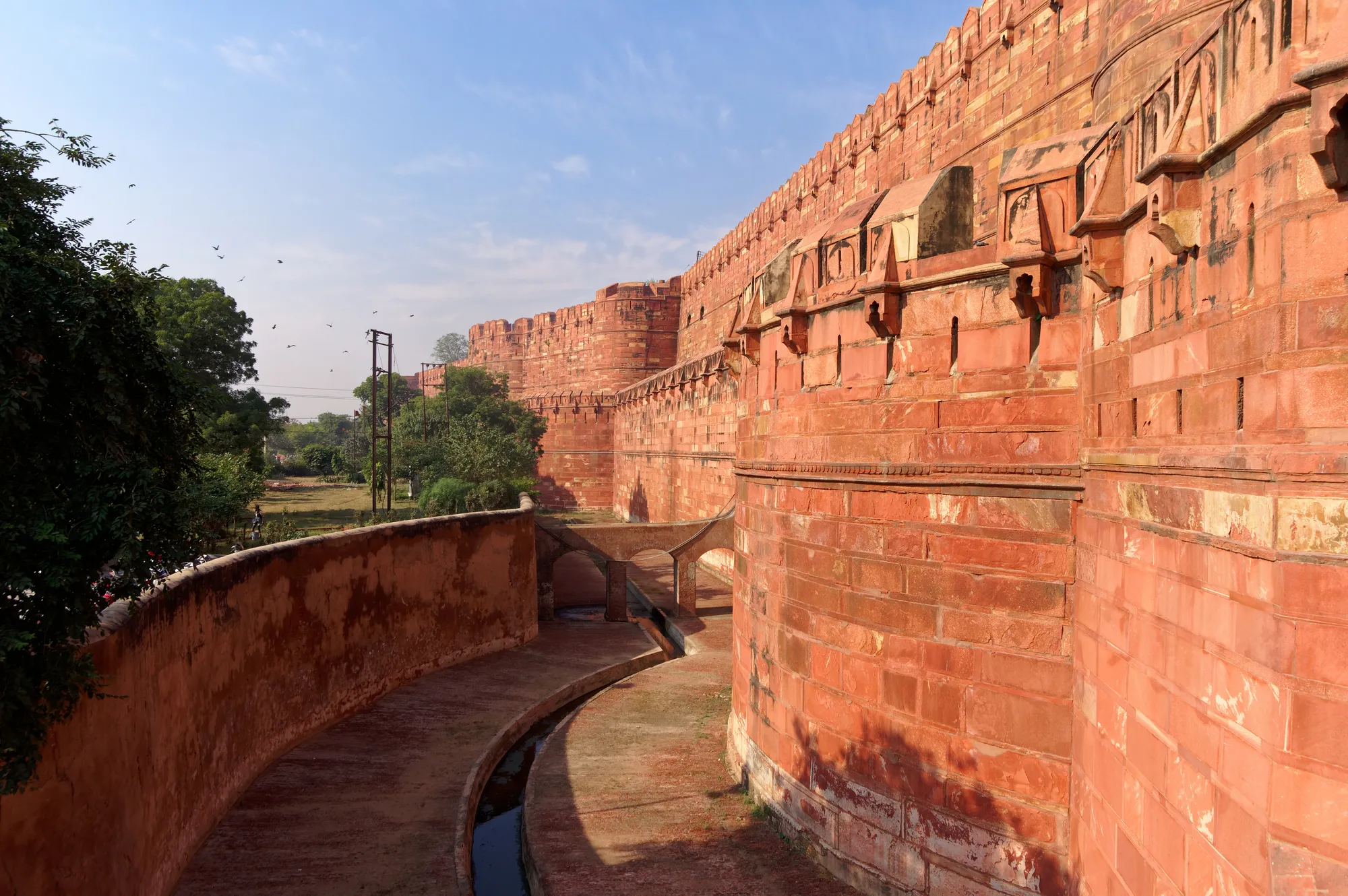
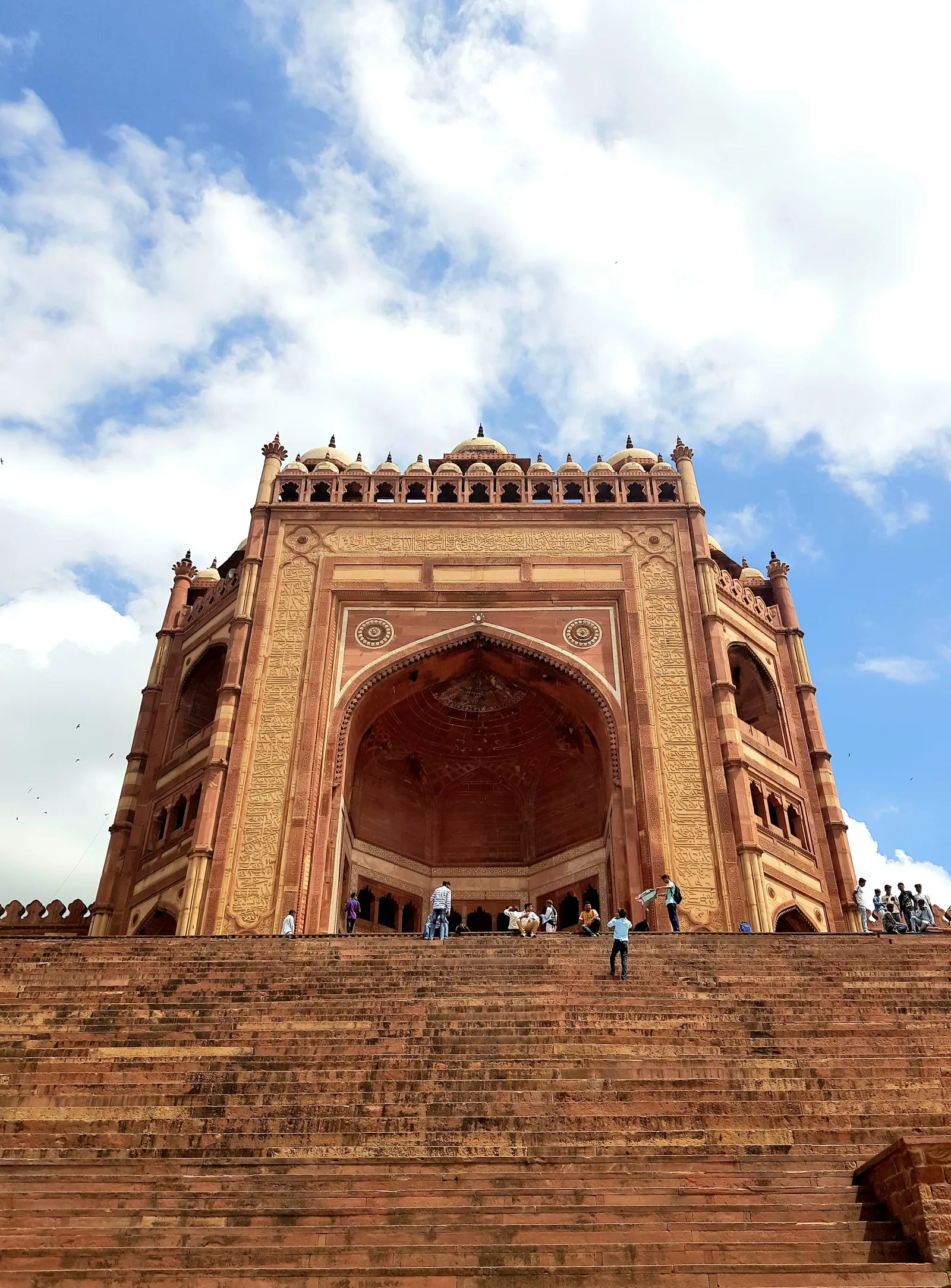
Agra Fort and Fatehpur Sikri
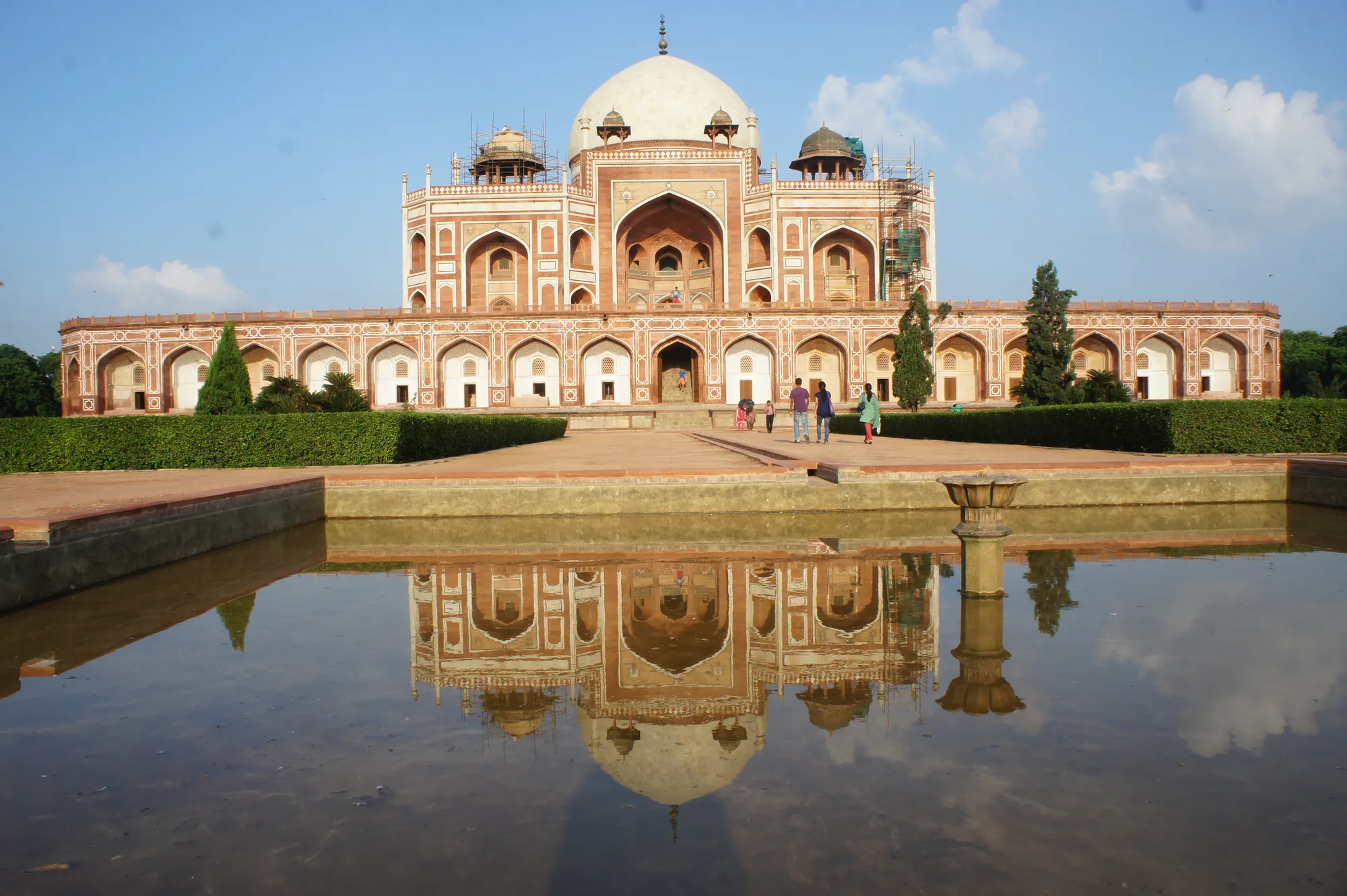
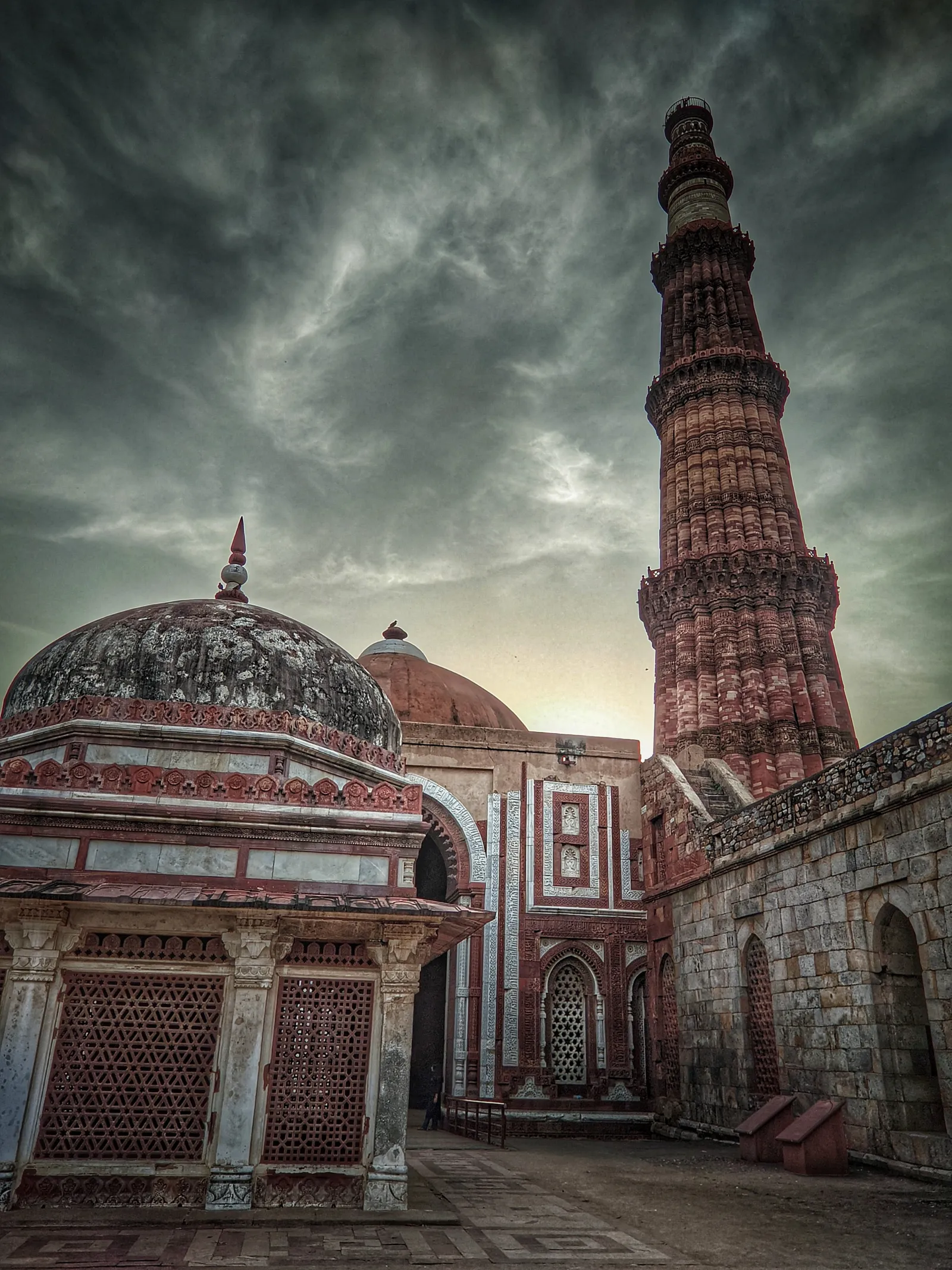
Humayun's Tomb and Qutub Minar
Amber Fort and the Jaipur bazaars

Photo Reference

Golden Triangle in Pictures

Photography from Golden Triangle. Tap any photo to open it full size.

Quick Facts

The loop

Delhi → Agra → Jaipur → Delhi, about 720 km

Airport

Delhi (DEL) — start and finish

Ideal duration

4 nights minimum, 6 with Ranthambore

Delhi → Agra

233 km, about 3 h on the Yamuna Expressway

Agra → Jaipur

240 km, 4–5 h via Fatehpur Sikri or Abhaneri

Jaipur → Delhi

280 km, about 5 h

Taj Mahal

Closed every Friday. Sunrise entry is the one to book

Best months

October to March

The three corners

Top Places to Visit in Golden Triangle

Delhi, Agra and Jaipur sit roughly 200–240 km apart, which is what makes the loop work. Here is what each corner is actually for.

Eight cities on one site

Delhi

Delhi has been built and rebuilt at least seven times, and the ruins of each are still standing. Two days covers the essentials; the split between Old Delhi and New Delhi is the one that matters.

Humayun's TombUNESCO

Humayun's Tomb

The first great Mughal garden tomb, finished in 1572, and the direct architectural ancestor of the Taj. Quieter than the Red Fort and better preserved.

  • Built 1565–72
  • Char bagh garden
  • Allow 90 minutes
Qutub MinarUNESCO

Qutub Minar

A 73-metre victory tower begun in 1193, standing over the Quwwat-ul-Islam mosque and the iron pillar that has not rusted in sixteen centuries.

  • 73 m, five storeys
  • The 4th-century iron pillar
  • South Delhi
Old DelhiHalf day

Old Delhi

Chandni Chowk, the Jama Masjid, Khari Baoli spice market and the Red Fort within a few hundred metres of each other. Go by cycle rickshaw; nothing else gets through.

  • Jama Masjid
  • Khari Baoli spice market
  • Closed Mondays at the Red Fort

The Mughal high-water mark

Agra

One night is enough, and it should be the night before a sunrise Taj visit. Agra Fort and Itmad-ud-Daulah fill the rest of the day.

Taj MahalSunrise

Taj Mahal

Twenty-two years, twenty thousand workers, and marble inlaid with stones brought from as far as Afghanistan and Sri Lanka. Closed Fridays without exception.

  • Closed every Friday
  • Book the sunrise slot
  • Small bags only
Agra FortUNESCO

Agra Fort

A walled Mughal city in red sandstone, and the place Shah Jahan was confined by his son for the last eight years of his life, with a view downriver to the Taj.

  • Diwan-i-Am and Diwan-i-Khas
  • Musamman Burj
  • 2.5 km from the Taj
Fatehpur SikriIn transit

Fatehpur Sikri

Akbar's capital from 1571, abandoned within fourteen years for want of water, and therefore the most complete Mughal city standing. On the road to Jaipur.

  • Buland Darwaza
  • Panch Mahal
  • 40 km from Agra

The Rajput corner

Jaipur

Two nights, and the pace changes — forts on ridges, a planned pink city on a grid, and bazaars that stay open late. The full Jaipur guide has its own page.

Amber FortMorning

Amber Fort

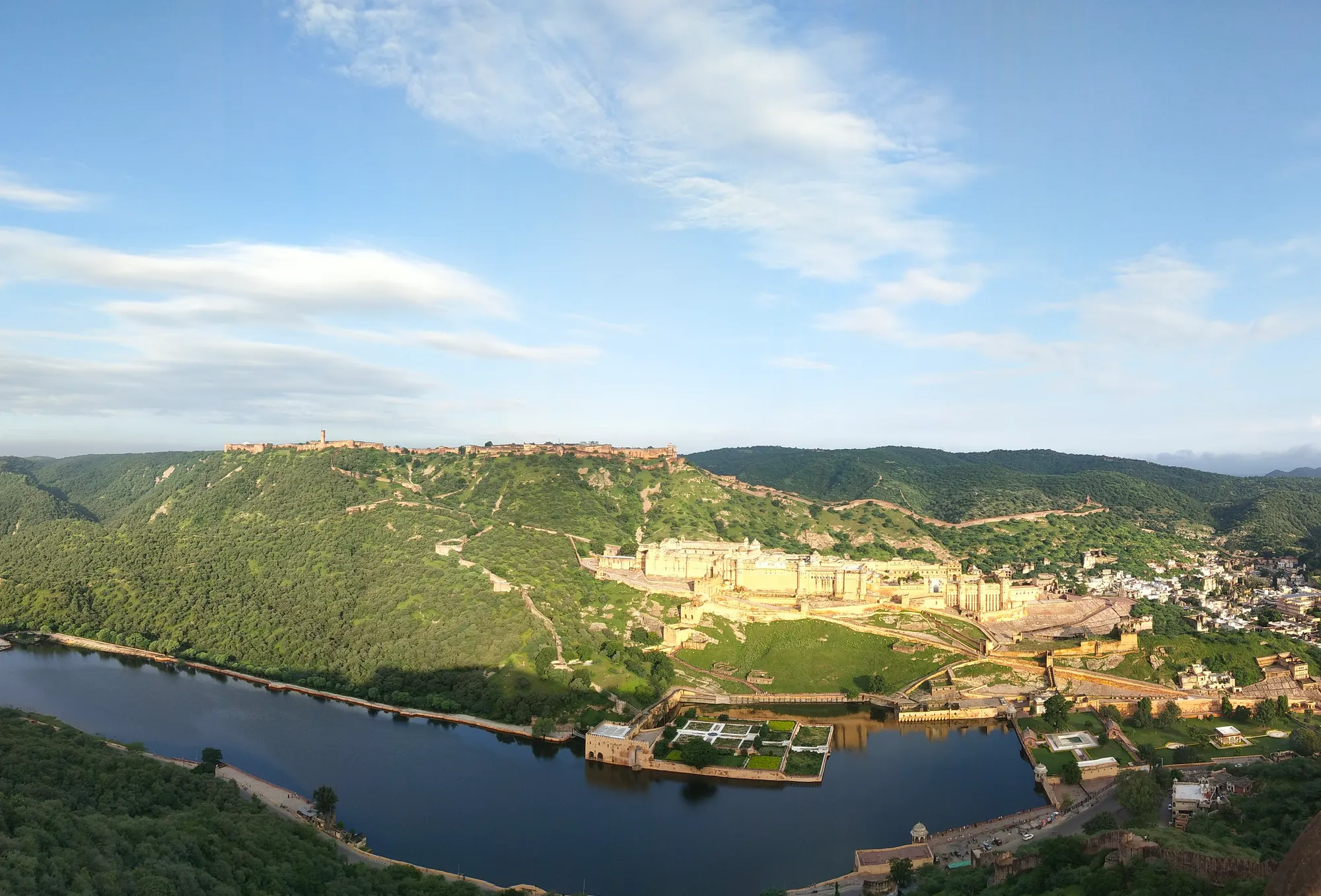
The Kachhwaha seat before Jaipur existed, spread along a ridge above Maota Lake, with the Sheesh Mahal mirror hall at its centre.

  • Sheesh Mahal
  • Go before 9 am
  • 11 km from the city
Hawa MahalIconic

Hawa Mahal

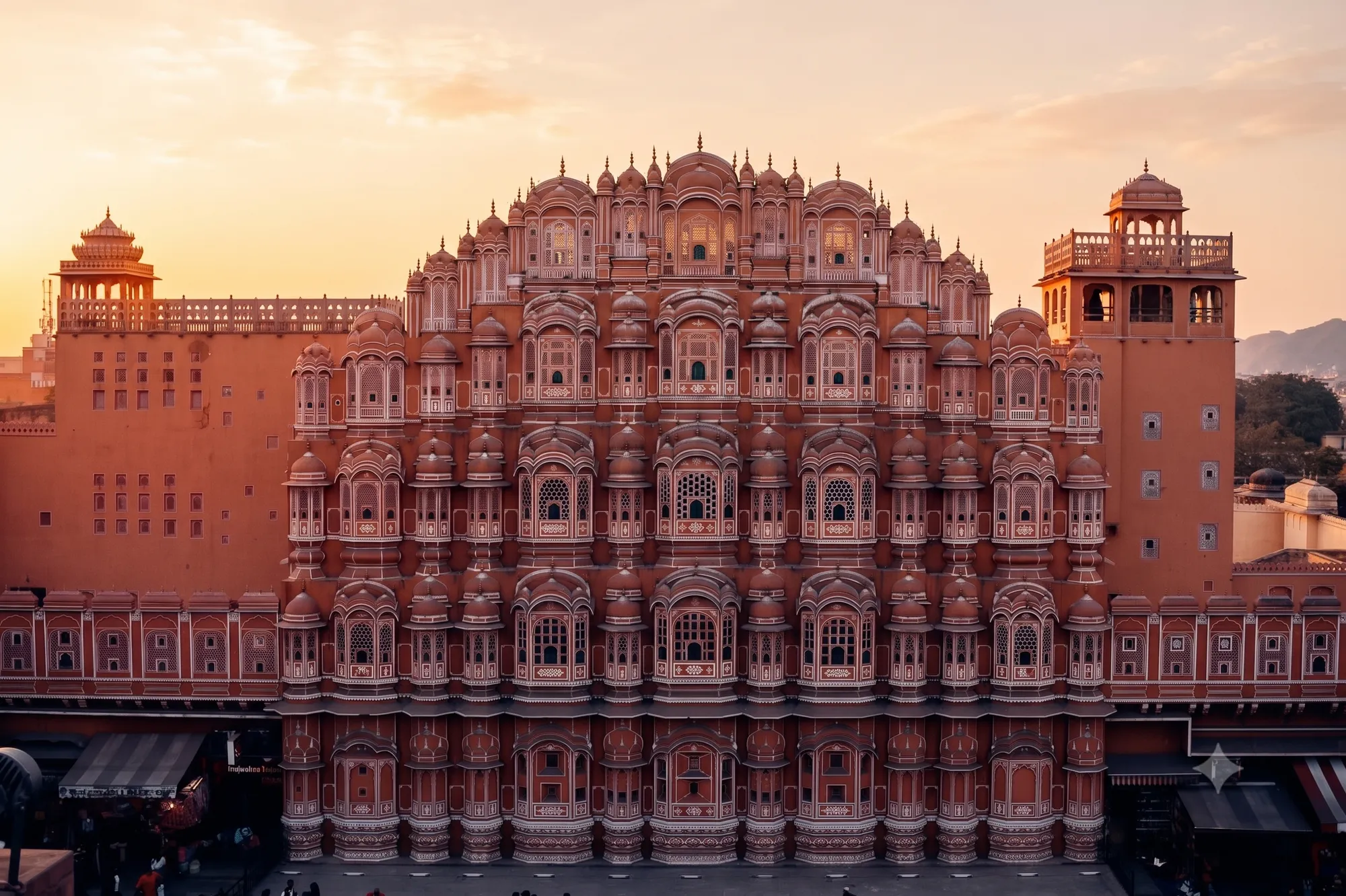
953 windows in a five-storey screen, built in 1799 so the women of the court could watch the street unseen. Photograph it from the café opposite, early.

  • 953 jharokhas
  • Best at sunrise
  • On Hawa Mahal Road
City Palace & Jantar MantarUNESCO

City Palace & Jantar Mantar

The working royal residence, and next door the eighteenth-century observatory whose instruments still keep time to within two seconds.

  • Chandra Mahal
  • The world's largest sundial
  • Adjacent to each other

Best Time to Visit

Climate & Seasons Guide

The seasonOctober – March

Temp: 8–27°C · Sea:

Warm days, cool mornings, clear light. December and January bring fog to Delhi and Agra that can delay flights and trains, and occasionally hides the Taj until nine in the morning.

Very hotApril – June

Temp: 25–45°C · Sea:

Agra and Jaipur run past 42°C by May. Sightseeing works before ten and after five, and not much in between. Rates are at their lowest.

MonsoonJuly – September

Temp: 25–35°C · Sea:

Humid with heavy bursts of rain, but the light after a shower is the best of the year and the forts are almost empty. Ranthambore is closed from July to September.

Travel Logistics

How You Reach Golden Triangle

01

By air

Delhi handles more international routes than anywhere else in India, and the loop starts and finishes there. Jaipur has its own airport if you would rather run the triangle in the other direction.

02

By train

The Gatimaan Express does Delhi–Agra in 100 minutes and is genuinely pleasant. Delhi–Jaipur by Shatabdi takes about four and a half hours. We mix rail and road where it saves you time rather than as a rule.

03

By road

A private car with a driver for the full loop is what most guests choose, and what we quote by default — it means Fatehpur Sikri and Abhaneri cost you nothing but the stop.

Know Before You Go

Essential Travel Guidelines

  • The Taj Mahal is closed every Friday. Plan the whole trip around that one fact.
  • Book the sunrise slot. By ten in the morning the queues are long and the marble is glaring rather than glowing.
  • Only small bags get through Taj security. No food, no tripods, no drones — leave everything in the car.
  • Fatehpur Sikri sits on the Agra–Jaipur road. Doing it as a day trip out of Agra wastes four hours; doing it in transit costs you ninety minutes.
  • December and January fog is real. If you have a tight international connection out of Delhi, do not make it a morning flight.
  • In Jaipur, Amber Fort before 9 am and the City Palace after lunch. Doing it the other way round puts you on the ridge at midday in the heat.
  • Ranthambore safaris are ballot-allocated and sell out weeks ahead in season. If tigers matter, tell us before we book anything else.

Common Questions

Frequently Asked Questions

Four nights is the honest minimum: one in Delhi, one in Agra, two in Jaipur. Five is more comfortable. Six or seven lets you add Ranthambore for tiger safaris, which is the extension almost everyone asks about afterwards.

Curated Itineraries

Featured Tour Packages in Golden Triangle

Fixed-price itineraries with hotels we have stayed in, private transfers throughout, and driving times stated the way they actually run.
Tailor-Made Itineraries

Plan Your Tailor-Made Golden Triangle Journey

Tell us your dates, who is travelling and what you actually want out of the trip, and we will build a Golden Triangle itinerary around it — with the driving times stated honestly and nothing hidden under the price.

WhatsApp Expert
Photography credits
  • The Taj Mahal straight on from the char bagh — Yann (talk), CC BY-SA 4.0
  • The Taj mirrored in still water, Agra Fort to the left — Antrix3, CC BY-SA 4.0
  • Humayun's Tomb reflected in the water channel — Onlineolddelhi, CC BY-SA 3.0
  • The Qutub Minar and the Quwwat-ul-Islam ruins under a heavy sky — Danish971, CC BY-SA 4.0
  • The red sandstone curtain wall and moat at Agra Fort — Jakub Hałun, CC BY-SA 4.0
  • The Buland Darwaza at Fatehpur Sikri from the foot of its steps — Rupeshsarkar, CC BY-SA 4.0
  • Amber Fort and the Maota Lake garden from the ridge above — APS Kondhera, CC BY-SA 4.0